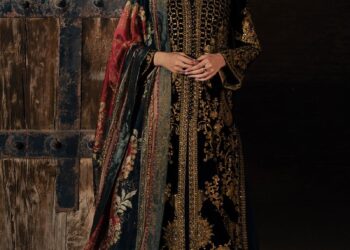
Embroidery has been a part of human culture for centuries, from hand-stitched family crests to intricate cultural patterns passed down through generations. But in today’s fast-paced fashion and branding world, the art of embroidery has evolved into a high-tech process known as embroidery digitize. This process has become the backbone of modern apparel customization, allowing businesses, designers, and individuals to transform artwork into precise stitch files ready for embroidery machines.
Imagine a small boutique that wants to launch its first custom clothing line. The designer has a beautiful hand-drawn logo, but without digitization, the embroidery machine cannot interpret the details. This is where digitizing steps in, bridging the gap between creativity and technology.
embroidery digitize is not just about converting an image; it’s about ensuring every stitch placement, thread direction, and density align perfectly to create a professional finish. And as personalization continues to dominate the apparel industry, mastering embroidery digitization has become more relevant than ever.
What Does Embroidery Digitize Mean?
At its core, embroidery digitize refers to converting digital artwork into a stitch file that embroidery machines can read. Unlike printing, where an image is directly transferred to fabric, embroidery requires precise instructions: where the needle should enter, how dense the stitches should be, and what sequence the design should follow.
Digitization ensures that the embroidery machine understands these instructions perfectly. The quality of digitizing directly impacts the outcome of the design—whether the stitches look clean, balanced, and professional or end up uneven and distorted.
Why Is Embroidery Digitize Important?
- Accuracy of Design: Without digitizing, machines cannot replicate detailed logos, text, or graphics.
- Consistency: Digitizing guarantees the same quality across multiple garments, whether it’s 5 shirts or 500.
- Efficiency: A properly digitized file reduces errors during embroidery, saving time and material costs.
- Scalability: Designs can be resized and adjusted for different applications, from hats to jackets.
In fact, a study by Statista (2023) highlighted that the global custom apparel market is projected to reach $54.6 billion by 2030, largely driven by demand for embroidery customization. Businesses that embrace professional digitizing services position themselves ahead of this growing trend.
The Embroidery Digitization Process Step-by-Step
- Artwork Preparation: The journey starts with a digital file—this could be a logo, illustration, or even handwriting.
- Choosing the Right Software: Specialized digitizing software is used to map out the stitch paths.
- Assigning Stitch Types: Satin, fill, and running stitches are selected depending on the design’s complexity.
- Stitch Direction & Density: These determine how threads overlap and fill the design.
- Final Conversion: Once tested, the design is saved in formats like DST, PES, EMB, or others based on machine compatibility.
Each step requires precision. For example, a logo digitized for a cap needs different stitch settings than the same logo on a polo shirt due to fabric tension and curve.
Applications of Embroidery Digitize in Modern Industries
- Fashion & Apparel Brands: From small boutiques to global fashion houses, digitization is key for consistent branding.
- Sportswear: Team uniforms often require complex logos digitized for durability.
- Promotional Merchandise: Companies use digitized embroidery for giveaways like hats and bags.
- Crafters & Hobbyists: Individuals with personal embroidery machines now rely on affordable digitizing for custom gifts.
- Nonprofits & Schools: Organizations use digitized logos for identity and fundraising through apparel sales.
Common Challenges in Embroidery Digitization
While the process may sound straightforward, there are real-world challenges:
- Complex Artwork: Detailed gradients don’t always translate well into stitches.
- Fabric Limitations: Designs look different on leather, cotton, or polyester.
- Thread Breaks: Poor digitization can cause excessive thread breaks during embroidery.
- Scaling Issues: Enlarging a small logo without proper adjustments can distort the design.
Professional digitizing services anticipate these problems and adjust files accordingly, ensuring smooth production.
The Future of Embroidery Digitization
The future is bright—and digital. Artificial intelligence and machine learning are being integrated into digitizing software to predict stitch density and optimize patterns automatically. However, human expertise remains irreplaceable because digitizing is as much an art as it is a science.
With the growing demand for personalized apparel, digitization will only become more valuable. Businesses that invest in high-quality digitizing gain a competitive advantage by offering flawless embroidery every time.
How Professional Services Can Help
For businesses and designers, outsourcing embroidery digitization is often the smartest choice. Skilled professionals ensure:
- Intricate designs are handled with care.
- Multiple file formats are delivered for machine compatibility.
- Fast turnaround times without compromising quality.
- Cost-effective solutions that scale with production needs.
This is where a reliable embroidery digitize partner makes the difference. Whether it’s caps, jackets, patches, or promotional merchandise, professional services streamline the process and help bring creative visions to life.
Conclusion
The art of embroidery has evolved from hand stitching to a precise, digital-first process. Embroidery digitize is the bridge that allows creativity to flourish in the modern apparel industry. By converting artwork into stitch-ready designs, digitization ensures accuracy, durability, and professional quality across garments and accessories.
As personalization continues to dominate global fashion and branding, the need for expert digitizing services will only grow. The question for every business and creator today is simple—are you ready to embrace embroidery digitization and take your designs to the next level?