


A bathroom renovation can dramatically improve both the functionality and aesthetics of your home. Whether you’re looking to modernize outdated fixtures, increase property value, or simply create a relaxing retreat, a well-planned bathroom renovation can make a significant difference. However, undertaking a bathroom renovation requires careful planning, budgeting, and a clear vision to ensure that the end result meets your expectations. We’ll explore the key steps, tips, and trends in bathroom renovation to help you achieve a beautiful and functional space.
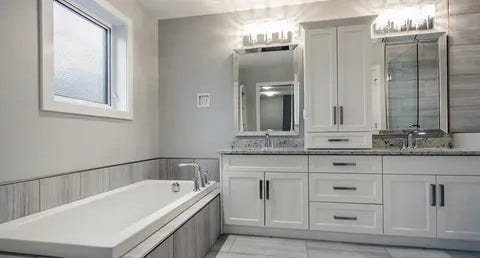
Why Consider a Bathroom Renovation?
Bathroom renovations are more than just a cosmetic upgrade. They can:
- Enhance functionality: Upgrade plumbing, storage, and layouts to better suit your daily needs.
- Increase home value: Modern, stylish bathrooms can significantly boost resale value.
- Improve energy efficiency: Installing water-saving fixtures and LED lighting reduces bills.
- Create a personal retreat: Thoughtful design can transform your bathroom into a spa-like sanctuary.
Planning Your Bathroom Renovation
Before diving into the renovation, proper planning is essential:
- Set a budget: Determine how much you’re willing to invest, including unexpected costs.
- Define your style: Decide whether you want a modern, traditional, or minimalist design.
- Assess your space: Measure dimensions, check plumbing and electrical systems, and identify structural limitations.
- Prioritize upgrades: Decide which features — bathtubs, showers, vanities, lighting — are most important.
- Hire professionals: Depending on the scale, you may need contractors, plumbers, electricians, and interior designers.
Choosing the Right Materials
Selecting the right materials ensures your bathroom is both stylish and durable:
- Flooring: Porcelain tiles, vinyl, or natural stone are popular choices for durability and water resistance.
- Countertops: Quartz, marble, or granite countertops offer elegance and longevity.
- Cabinetry: Moisture-resistant materials like MDF or solid wood treated for humidity are ideal.
- Fixtures: Chrome, brushed nickel, or matte black finishes can enhance the overall aesthetic.
Bathroom Renovation Trends
Staying up-to-date with trends can add modern appeal to your renovation:
- Walk-in showers: Frameless glass showers with rain showerheads are increasingly popular.
- Floating vanities: Create a sense of space while offering practical storage.
- Smart bathrooms: Digital faucets, smart mirrors, and heated flooring improve convenience.
- Minimalist design: Clean lines and neutral colors give a sleek and timeless look.
DIY vs. Professional Renovation
- DIY Renovation: Cost-effective but time-consuming. Suitable for small projects like painting or replacing fixtures.
- Professional Renovation: Recommended for structural changes, plumbing, or electrical upgrades to ensure safety and compliance.
Bathroom Renovation Tips
- Plan storage wisely: Use vertical space, cabinets, or niche shelves to avoid clutter.
- Maximize lighting: Combine natural and artificial lighting for a bright, inviting space.
- Ventilation is key: Proper ventilation prevents mold, mildew, and moisture damage.
- Focus on water efficiency: Low-flow toilets and faucets save water and reduce bills.
Common Mistakes to Avoid
- Ignoring ventilation needs.
- Skipping waterproofing steps.
- Overlooking lighting requirements.
- Choosing style over functionality.
- Underestimating budget and timelines.
FAQs
Q1: How long does a bathroom renovation take?
A typical renovation can take anywhere from 2 to 6 weeks, depending on the scope of work.
Q2: What is the average cost of a bathroom renovation?
Costs vary widely, but a mid-range renovation can cost between $5,000 and $15,000, including materials and labor.
Q3: Can I renovate my bathroom myself?
Small upgrades like painting, installing a new vanity, or replacing fixtures can be DIY-friendly. Structural changes should be handled by professionals.
Q4: How can I make a small bathroom look bigger?
Use light colors, mirrors, glass shower doors, and floating vanities to create a sense of space.
Q5: Do I need a permit for a bathroom renovation?
It depends on your local regulations. Major changes involving plumbing, electrical, or structural work usually require permits.
Conclusion
A House Renovation Services is an investment that can enhance comfort, style, and value. By carefully planning, choosing the right materials, and staying aware of current trends, you can transform your bathroom into a functional and luxurious space. Whether you opt for a full-scale professional renovation or tackle small DIY projects, keeping functionality, aesthetics, and durability in mind will ensure long-lasting satisfaction.
