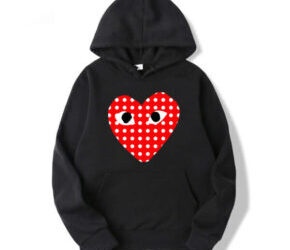
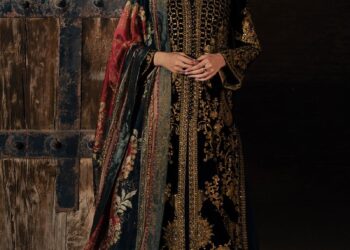
Streetwear once thrived on oversized silhouettes, bold logos, and rebellious undertones, but the culture has matured. It’s no longer only about projecting toughness or aligning with skate and hip-hop tribes. Today, streetwear reflects individuality, shifting moods, and deeper cultural narratives. Mixed Emotion Clothing enters this arena as a disruptor, redefining what it means to wear urban style. It brings more than just fabric stitched together—it brings storytelling, mood, and honesty. The vibe is not about belonging to a stereotype; it’s about wearing pieces that capture the contradictions, emotions, and layered experiences of modern mixedemotionn.com youth.
The Birth of Mixed Emotion Clothing
Every generation seeks a fashion identity that mirrors its inner contradictions. Mixed Emotion Clothing was born to embody this restless search for authenticity. Its very name tells a story: human beings are not singular—we are fragmented, vulnerable, and complex. Instead of presenting streetwear as a rigid category, the brand weaves chaos and harmony into tangible designs. This makes the clothing resonate with individuals who want more than an outfit; they crave something symbolic. In a world saturated with surface-level fashion, Mixed Emotion Clothing feels refreshing, raw, and deeply intentional. It’s not just clothing—it’s wearable introspection.
Origins and Inspiration
Mixed Emotion Clothing grew out of underground culture, where music, graffiti, and subversive art collide. The founders recognized that young people were searching for ways to express moods that shifted daily—joy, anger, rebellion, tenderness. Inspiration came from late-night street scenes, urban melancholy, and the digital world’s fragmented identities. Rather than smoothing over contradictions, the brand leaned into them. It celebrates duality: softness wrapped in hardness, vulnerability wrapped in boldness. By doing so, it connected with a generation unafraid to be paradoxical. These roots make the brand less of a fashion label and more of a cultural movement.
The Philosophy Behind the Name
The phrase “Mixed Emotion” embodies more than catchy branding—it reflects a universal human truth. Life rarely exists in clean categories. People carry happiness and heartbreak in the same breath, confidence alongside insecurity. The label’s philosophy is to wear these emotions openly, without apology. Streetwear has long been associated with bravado, but Mixed Emotion Clothing disrupts that expectation. It makes vulnerability stylish and authenticity powerful. By naming itself after the very human state of contradiction, the brand signals that fashion is not about perfection. It is about honesty, expression, and the courage to reveal your inner self publicly.
Design Language That Speaks Volumes
Mixed Emotion Clothing is instantly recognizable because its design language carries depth. Each piece feels less like a garment and more like an entry in a visual diary. Graphics are not chosen for trend alone—they carry coded messages. Silhouettes are not generic—they are structured to balance comfort with symbolism. Details matter: distress marks, rhinestones, graffiti prints, and layered textures create pieces that spark curiosity. More importantly, they invite conversation. The clothing doesn’t whisper conformity; it announces contradiction. It resonates because people no longer want silent outfits. They want attire that speaks their truths, even when words fail.
Symbolism in Patterns and Graphics
Look closer at the brand’s graphics, and you’ll see a tapestry of metaphor. Skulls sparkle with rhinestones, signifying the beauty hidden in darkness. Graffiti tags scrawl across fabrics, nodding to rebellion while carrying emotional depth. Distorted logos bend and blur, symbolizing fractured identities in the digital age. Each pattern feels loaded with hidden meaning, like visual poetry stitched into streetwear. This symbolic approach turns everyday jeans or hoodies into conversation pieces. Instead of being passive fashion, these garments engage actively with their wearers. They allow people to carry layered stories—rebellion, vulnerability, confidence, doubt—all in a single outfit.
The Emotional Undertone in Color Palettes
Color is the silent storyteller of Mixed Emotion Clothing. Deep blacks and grey washes signal introspection and mystery, while flashes of red represent passion, danger, and raw vitality. Soft pastels occasionally emerge, showing tenderness amid toughness. Electric neons vibrate with chaotic joy, echoing nightlife and youth’s restless spirit. By weaving emotions into colors, the brand ensures nothing feels neutral. A jacket is not just a jacket—it becomes a mood board, communicating states of being without words. This emotional palette makes each collection immersive, giving wearers the ability to display inner feelings outwardly, blending style with psychological resonance.
Breaking Traditional Streetwear Boundaries
Streetwear traditionally drew from skate, hip-hop, and sports cultures, sticking to certain formulas. Mixed Emotion Clothing disrupts these boundaries by merging emotional storytelling with design. It respects comfort—oversized silhouettes, baggy fits, breathable fabrics—but elevates them through artistry. Sweatpants become canvases with rhinestones, cargo pants are layered with abstract designs, and hoodies embody graffiti-inspired graphics. The result? Clothes that look and feel street-ready, yet simultaneously museum-worthy. This redefinition shifts streetwear from uniform to art form. Instead of following existing categories, Mixed Emotion Clothing builds its own lane, allowing wearers to be both comfortable and unapologetically expressive.
Blending Comfort with Expression
Comfort has always been the soul of streetwear, but Mixed Emotion Clothing reshapes its meaning. It keeps the relaxed fits and breathable materials yet layers them with emotional weight. A hoodie doesn’t just shield from cold—it becomes a symbol of vulnerability and resilience. Cargo pants aren’t only functional—they double as bold statements etched with design. The brand demonstrates that style and substance can coexist without compromise. Comfort is no longer passive—it’s expressive. This synthesis resonates deeply with young people who want to be free physically while expressing layered identities emotionally, proving fashion can nurture both body and psyche.
From Utility Wear to Artistic Statements
Streetwear began by borrowing from sportswear and workwear—durable, practical, straightforward. Mixed Emotion Clothing reimagines those roots, turning functionality into artistry. A pair of jeans is distressed with deliberate symbolism, sweatpants are detailed with rhinestones, and hoodies carry graffiti that transforms them into moving murals. These choices take utilitarian pieces out of the everyday and into the realm of statement-making. Wearing them feels like participating in a live exhibition. They blur the line between necessity and art, utility and emotion. This shift challenges the old idea of streetwear being casual wear—it’s now a form of self-expression and cultural dialogue.
The Rise of Emotional Storytelling in Fashion
Fashion has always been a language, but Mixed Emotion Clothing infuses it with emotional storytelling. Rather than treating clothes as superficial decoration, it positions them as mirrors of inner states. Each design becomes part of a personal narrative, whether it’s rebellion, melancholy, or joy. Emotional storytelling in fashion resonates with a generation tired of hollow branding. People crave pieces that feel personal, garments that acknowledge contradictions and complexity. By embedding emotions directly into design, the brand redefines how clothing functions—it’s not just fabric stitched together, but an external extension of thoughts, moods, and unspoken stories.
Fashion as a Mirror of Inner States
Mixed Emotion Clothing makes fashion personal by reflecting psychological undercurrents. A hoodie isn’t only fabric—it’s armor for days of insecurity. Distressed denim isn’t just trendy—it embodies the beauty of imperfection. The brand’s storytelling makes clothing feel like emotional companions rather than disposable trends. People wear them not to conform but to reveal, sending subtle signals about how they feel. This honesty resonates in an era where curated digital perfection dominates. The clothing gives people a counter-narrative: the right to embrace contradictions, vulnerabilities, and raw truths while still looking stylish. It’s fashion that reflects rather than hides.
Emotional Resonance Over Mere Aesthetics
Unlike labels that prioritize visual appeal alone, Mixed Emotion Clothing prioritizes feeling. Its pieces are designed to evoke emotions—nostalgia, rebellion, excitement, or even melancholy. Aesthetic beauty matters, but resonance matters more. This explains its cult following; people don’t just like how the clothes look, they connect to how they feel. This emotional approach has carved space for the brand in a crowded market. It transcends fleeting trends, creating timelessness rooted in connection. Clothing becomes less about consumption and more about communion—between the wearer and their emotions, between individuals sharing silent but powerful emotional languages.
Celebrity Endorsements and Cultural Relevance
Mixed Emotion Clothing has broken into popular consciousness not just through street buzz but by embedding itself in cultural hotspots. Its designs appear in music videos, on stages, and across social media, gaining visibility through influential figures. Celebrities gravitate to the brand because it aligns with authenticity, individuality, and rebellion—all key currencies in modern culture. When artists, athletes, and cultural leaders adopt its pieces, they validate its ethos and extend its reach. The brand becomes more than streetwear—it becomes shorthand for belonging to a culture of raw honesty and unapologetic emotional self-expression.
High-Profile Collaborations
Collaborations with musicians, athletes, and creatives amplify the brand’s ethos. Partnerships allow its emotional storytelling to travel beyond fashion into broader cultural spaces. Whether it’s a rapper channeling vulnerability through music while donning an ME hoodie or a skater making a visual statement with bold cargos, collaborations highlight versatility. These moments bring visibility but also depth, showing that the brand isn’t trend-chasing but culture-shaping. High-profile names wearing Mixed Emotion Clothing are not mere endorsements—they’re alignments. They reveal that its philosophy resonates with leaders across creative industries who value authenticity over surface-level aesthetics.
Presence in Music and Youth Culture
Music culture, especially hip-hop and underground scenes, has embraced Mixed Emotion Clothing wholeheartedly. Hoodies and cargos show up in gritty music videos, sweatpants feature in social media freestyles, and rhinestone pieces dominate nightlife visuals. For youth culture, the brand represents rebellion and relatability. Young people recognize themselves in its contradictions—confident yet vulnerable, bold yet reflective. TikTok and Instagram reels spread its imagery like wildfire, embedding it in youth digital consciousness. More than fashion, it has become cultural shorthand for unapologetic authenticity. Mixed Emotion Clothing has etched itself into the soundtrack and style of a restless generation.
Why Mixed Emotion Clothing Stands Apart
In a fashion landscape where every label claims originality, few deliver it convincingly. Mixed Emotion Clothing stands apart because it offers more than clothes—it offers identity. While others recycle trends, it creates meaning. While competitors chase logos, it builds narratives. Its uniqueness lies in authenticity: the refusal to water down its philosophy. From branding to design execution, it refuses clichés, opting for layered visuals and cryptic slogans that invite curiosity. In a saturated market, this strategy keeps the brand ahead. For wearers, it feels less like buying into hype and more like joining a cultural movement.
Distinctive Branding Strategy
Branding in fashion is often loud, predictable, and repetitive. Mixed Emotion Clothing flips that script by being deliberate, enigmatic, and emotionally rich. It doesn’t plaster logos everywhere; instead, it embeds subtle yet powerful cues—symbols, distorted words, layered imagery. This approach gives it a mystique that draws people in. Consumers aren’t told directly what to think; they are invited to interpret. That sense of discovery builds loyalty. Every campaign feels like a coded message, every collection like a continuation of a story. Branding becomes immersive, and customers feel part of something larger than simple clothing consumption.
Community-Driven Identity
Mixed Emotion Clothing thrives because it resonates with a community that craves honesty. Its wearers don’t gather around just the garments—they gather around the philosophy. Social media has amplified this, creating spaces where fans share interpretations, style inspirations, and personal stories tied to the brand. This collective ownership strengthens identity. It feels less like supporting a label and more like belonging to a tribe. People aren’t buying clothes; they’re buying connection. The brand’s emphasis on community-driven culture ensures it isn’t just a passing trend. It has roots, energy, and loyalty—qualities that sustain true cultural movements.
The Future of Streetwear through the Mixed Emotion Lens
Streetwear’s future is being reshaped, and Mixed Emotion Clothing is at the forefront of this transformation. As fashion grows more saturated, emotional storytelling and conscious creation are becoming critical. Consumers want more than trendy pieces—they want garments with meaning, created responsibly. Mixed Emotion Clothing embraces this evolution. Its ethos points toward a streetwear landscape where emotional honesty and sustainability coexist. Tomorrow’s luxury won’t be about exclusivity or high price—it will be about resonance, depth, and responsibility. Mixed Emotion Clothing stands poised to lead this era, blending mood-driven design with mindful practices, shaping future streetwear vibes.
Sustainability and Conscious Creation
Modern fashion demands accountability, and Mixed Emotion Clothing is responding. It recognizes that storytelling loses power if it compromises the planet. Future collections explore sustainable fabrics, ethical sourcing, and slower production cycles. The goal isn’t just to create cool clothes—it’s to ensure their legacy doesn’t harm tomorrow’s world. Conscious creation becomes part of the narrative, giving garments even more emotional weight. Wearing a hoodie or cargo pant that’s sustainable means embodying responsibility alongside self-expression. In doing so, the brand transforms sustainability from a trend into a core value, further redefining what streetwear can—and should—become.
Emotional Depth as the New Luxury
Luxury has shifted. Once defined by exclusivity, prestige, and high price tags, it is now about connection and meaning. Mixed Emotion Clothing recognizes this cultural shift. Its pieces feel luxurious not because they are unattainable but because they resonate deeply. A rhinestone hoodie isn’t just decoration—it’s a statement that vulnerability is strength. A graffiti-covered pair of sweatpants isn’t just casual—it’s wearable art. Emotional depth elevates these garments into luxury status, as they carry significance beyond aesthetics. In a world where authenticity is rare, Mixed Emotion Clothing offers rarity in raw honesty—making emotions the new currency of style.
A New Wave in Urban Expression
Mixed Emotion Clothing is not just another entrant in the crowded streetwear market—it is a redefinition of urban expression. By turning emotions into visual language, it allows wearers to reveal complexities often hidden beneath curated exteriors. It transforms everyday garments into symbols of honesty, rebellion, vulnerability, and individuality. In doing so, it reshapes what streetwear stands for: no longer just comfort or coolness, but emotional storytelling stitched into fabric. As culture continues evolving, Mixed Emotion Clothing proves that vibes aren’t fleeting—they’re layered, contradictory, and powerful. This is not just clothing; it’s the future of expressive streetwear.