Artificial Intelligence (AI) is revolutionizing digital marketing, enabling brands to connect with audiences in unprecedented ways.
By leveraging advanced algorithms, machine learning, and data analytics, AI empowers marketers to create hyper-personalized, efficient, and impactful campaigns.
This blog post explores how AI is reshaping modern digital marketing strategies, delving into key applications, technical insights, and actionable steps for marketers to stay ahead.
From predictive analytics to generative engine optimization, AI is not just a tool but a transformative force driving innovation.
The Rise of AI in Digital Marketing
AI’s integration into digital marketing stems from its ability to process vast amounts of data quickly and accurately.
Unlike traditional methods that rely on manual analysis, AI automates complex tasks, uncovers insights, and optimizes strategies in real time.
This shift allows marketers to focus on creativity and strategy while AI handles data-heavy processes.
Key areas where AI is making an impact include personalization, content creation, customer segmentation, and search engine optimization.
Personalization at Scale
Personalization is the cornerstone of modern digital marketing, and AI excels at delivering tailored experiences.
Machine learning algorithms analyze user behavior, preferences, and demographics to create individualized content.
For example, AI-powered recommendation engines, like those used by streaming platforms, suggest products or content based on past interactions, increasing engagement and conversions.
Technical Insight
AI personalization relies on natural language processing (NLP) and predictive analytics. NLP interprets user intent from search queries or social media interactions, while predictive models forecast future behavior based on historical data.
Tools like customer data platforms (CDPs) integrate AI to unify data from multiple touchpoints, creating a 360-degree view of the customer.
- Implement a CDP: Use platforms like Segment or Salesforce to consolidate customer data for AI-driven insights.
- Leverage Dynamic Content: Deploy AI tools to serve personalized website content, emails, or ads based on user behavior.
- Test and Iterate: Use A/B testing with AI analytics to refine personalization strategies continuously.
AI-Driven Content Strategy
Content remains king in digital marketing, but AI is redefining how it’s created and distributed. An AI-driven content strategy harnesses tools like generative AI to produce high-quality, relevant content at scale.
From blog posts to social media captions, AI can generate drafts, suggest topics, and optimize content for search engines.
Additionally, platforms like an AI-driven content strategy podcast highlight how marketers use these tools to streamline workflows and boost engagement.
Technical Insight
Generative AI models, such as large language models, use transformer architectures to create human-like text.
These models are trained on vast datasets, enabling them to understand context and generate coherent content.
AI tools also analyze keyword trends and user intent to optimize content for SEO, ensuring higher visibility on search engines.
- Use AI Writing Tools: Platforms like Jasper or Copy.ai can generate blog drafts or ad copy, saving time while maintaining quality.
- Optimize for Intent: Analyze search intent with tools like Ahrefs or SEMrush to align content with user needs.
- Monitor Performance: Use AI analytics platforms like HubSpot to track content engagement and refine strategies.
Customer Segmentation and Predictive Analytics
AI enhances customer segmentation by identifying patterns in large datasets that human analysts might miss.
By clustering audiences based on behavior, interests, or purchase history, AI enables marketers to target specific groups with tailored campaigns.
Predictive analytics takes this further by forecasting trends, such as which customers are likely to churn or respond to a campaign.
Technical Insight
AI segmentation relies on clustering algorithms like k-means or hierarchical clustering, which group users based on shared characteristics.
Predictive models use supervised learning techniques, such as decision trees or neural networks, to predict outcomes. These models require clean, structured data and continuous training to maintain accuracy.
- Clean Your Data: Ensure data inputs are accurate and consistent to improve AI model performance.
- Adopt Predictive Tools: Use platforms like Adobe Experience Cloud for predictive analytics to identify high-value customers.
- Refine Segments: Regularly update audience segments based on AI insights to maintain relevance.
Generative Engine Optimization (GEO)
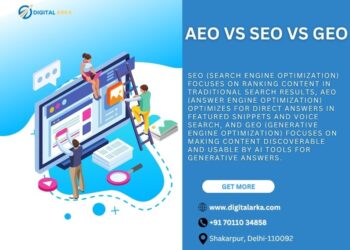
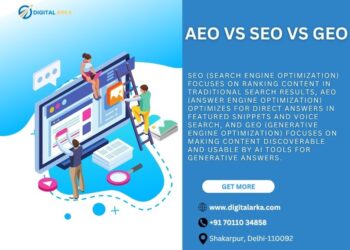
Search engine optimization (SEO) is evolving with the rise of AI-powered search engines and chatbots.
Generative engine optimization (GEO) focuses on optimizing content for AI-driven search platforms, such as conversational AI tools or answer engines. Unlike traditional SEO, which targets keyword rankings, GEO prioritizes content that aligns with how AI interprets and delivers answers to user queries.
Technical Insight
GEO involves optimizing for AI’s understanding of context, intent, and relevance. This requires structuring content with clear, concise answers, using schema markup for better indexing, and incorporating natural language elements that align with conversational queries.
AI search engines prioritize authoritative, trustworthy content, making E-E-A-T (Experience, Expertise, Authoritativeness, Trustworthiness) critical.
- Structure Content for AI: Use question-based headings and concise answers to align with conversational search.
- Implement Schema Markup: Add structured data to help AI engines understand your content’s context.
- Build Authority: Publish expert-driven content and secure backlinks from reputable sites to boost trustworthiness.
AI in Advertising and Campaign Optimization
AI is transforming digital advertising by optimizing ad spend, targeting, and creative development.
Programmatic advertising platforms use AI to bid on ad placements in real time, ensuring ads reach the right audience at the optimal time. AI also enhances creative testing by analyzing which visuals, copy, or CTAs drive the best results.
Technical Insight
Programmatic advertising leverages real-time bidding (RTB) algorithms that use machine learning to evaluate audience data and bid on ad inventory.
AI tools like Google Ads’ Smart Bidding optimize campaigns by adjusting bids based on conversion likelihood. Creative optimization relies on A/B testing and multivariate analysis to identify high-performing assets.
- Use Programmatic Platforms: Adopt tools like The Trade Desk for AI-driven ad buying.
- Test Ad Creatives: Run AI-powered multivariate tests to identify top-performing ad elements.
- Monitor ROI: Use AI analytics to track campaign performance and adjust budgets in real time.
Chatbots and Customer Engagement
AI-powered chatbots are redefining customer service in digital marketing. These bots handle inquiries, guide users through sales funnels, and provide personalized recommendations 24/7.
By integrating with CRM systems, chatbots deliver seamless experiences while collecting valuable data for future campaigns.
Technical Insight
Chatbots use NLP to understand and respond to user queries in natural language. Advanced models incorporate sentiment analysis to gauge user emotions and tailor responses.
Integration with CRMs like Salesforce allows chatbots to access customer history, enabling context-aware interactions.
- Deploy AI Chatbots: Use platforms like Drift or Intercom to add chatbots to your website or app.
- Train for Context: Customize chatbot responses to reflect your brand voice and customer needs.
- Analyze Interactions: Use chatbot data to identify common pain points and optimize user journeys.
Ethical Considerations and E-E-A-T Optimization
As AI reshapes digital marketing, ethical considerations are paramount. Transparency in AI use, data privacy, and avoiding manipulative tactics are essential for building trust.
E-E-A-T optimization ensures content is credible and valuable, aligning with both user expectations and AI-driven search algorithms.
- Disclose AI Use: Be transparent about AI-generated content to maintain trust.
- Prioritize Data Privacy: Comply with regulations like GDPR or CCPA when using AI for data collection.
- Showcase Expertise: Highlight author credentials and cite reputable sources to boost E-E-A-T.
Conclusion
AI is not just reshaping digital marketing—it’s redefining it. From hyper-personalized campaigns to generative engine optimization, AI empowers marketers to work smarter, not harder.
By embracing AI-driven tools and strategies, businesses can enhance efficiency, engagement, and ROI. Start integrating AI into your marketing stack today, and stay ahead in this dynamic, data-driven landscape.